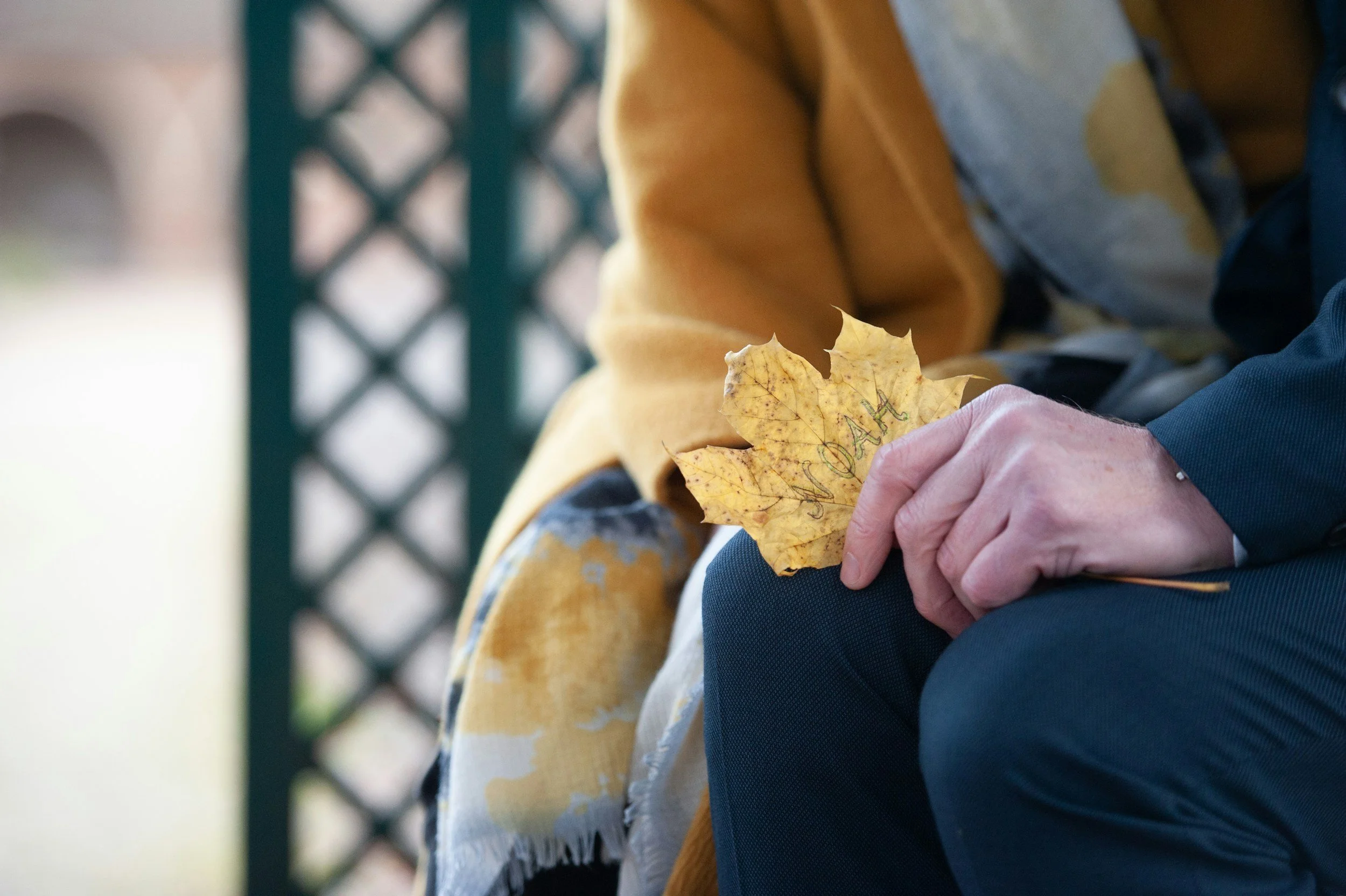
Grief is often portrayed as something to “get over,” a hurdle to cross or a chapter to close. Society nudges us toward “moving on,” “finding closure,” or “healing” within a certain timeframe. But for many, grief is not a stage or a problem to solve—it is a lifelong companion, woven into the fabric of life itself.
Giving yourself permission to live with grief without rushing to fix it or put it behind you is an act of radical kindness. It acknowledges that loss changes us forever, and that grief is not a temporary visitor but an enduring presence that shapes how we love, remember, and exist.
Living with grief as a companion means making space for its presence alongside joy, growth, and change. It allows sorrow and hope to coexist without forcing resolution. It means accepting that grief may ebb and flow unpredictably and that healing is not a destination but a continuous, evolving process.
This perspective invites us to reimagine what it means to “recover.” Rather than seeking to erase grief, we learn to carry it gently—honoring its weight and its lessons while still moving forward in life’s unfolding.
At Salt Trails Collective, we hold space for this ongoing relationship with grief—supporting those who walk the path of remembrance without timelines or pressure to “move on.” In doing so, we find resilience, meaning, and connection beyond loss.
A Gentle Activity: Writing to Your Grief
Take a few quiet moments to sit with your grief as it is right now—without judgment or expectation. Then, try this simple writing practice:
Begin by addressing your grief directly, as if it were a person or presence with its own voice. For example, “Dear Grief,” or “To the part of me that is grieving.”
Write a short letter acknowledging what grief means to you today. You might thank it for what it has taught you, express frustration about its persistence, or simply describe how it feels to carry it with you.
End your letter with a gentle affirmation—something that honors your ongoing relationship with grief, like “I will walk with you, step by step,” or “I see you and I hold you with care.”
You don’t need to share or keep this letter—it’s for your eyes only, a way to acknowledge grief as a companion rather than an enemy.